January 15, 2026
From Accident to Approval: How Insurance Companies Verify Car Damage Claims
 Car Insurance
After a motor accident or vehicle damage, policyholders submit an insurance claim with the expectation of a smooth and timely repair process. However, several verification steps take place between claim submission and final approval. Understanding this process is essential, particularly within the motor insurance framework in Dubai. This is why we are here to outline the key stages involved in claim verification of motor insurance in Dubai, from initial notification to the final approval.
The Moment the Claim Begins
Immediately after an accident, your duty as a policyholder is to let your insurer know about the incident. This usually means:
- Notifying the insurer early, often within a few days
- Providing a police report if required
- Submitting photos of the damage
- And detailing what happened
This start is like telling your GPS where you are because without it, you will never reach your destination (i.e. claim approval).
First Step: Photo Review and Digital Intake
These days, many insurers let you upload pictures of your car damage right from your phone, and you need to take it clearly because first impressions matter.
If the damage is minor and everything checks out, some claims get approved here automatically. This speeds things up and gets honest claimants back on the road faster, but if your claim doesn’t get approved here, you need to move to the next step.
Meet the Claims Adjuster: The Reality Checker
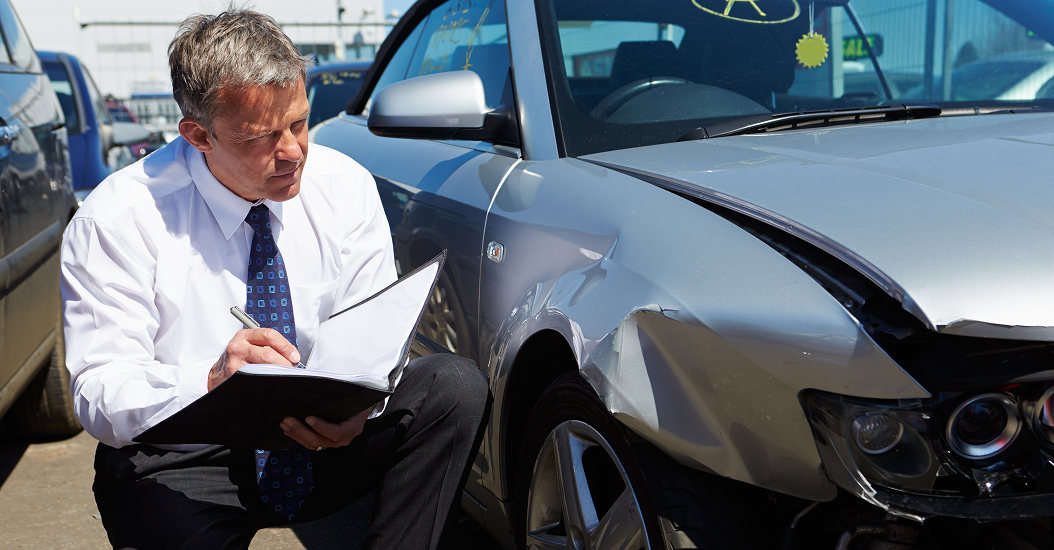
For more complex cases, the claim shifts into human or at least hybrid hands. Here’s where an insurance adjuster comes in to:
- Review your photos and accident report,
- Compare statements from all parties involved,
- Ask questions about the sequence of events,
- And sometimes even inspect the vehicle in person.
Deep Dive for Detailed Checks
Some claims trigger more scrutiny if things don’t add up or raise red flags. Why? Because fraud is no joke. In fact, up to 10% of all insurance claims are estimated to be fraudulent, that’s roughly 1 in 10 claims potentially involving deception or exaggerated damage. (Nearly 1 in 10 insurance claims are fraudulent)
When that happens, insurers may dig deeper with:
Telematics and Black Box Data
If your car has telematics aka “black box”, it may contain crucial info about speed, braking, and impact, which is a bit like downloading the car’s “version history.”
Witness and Third-Party Statements
Your story alone isn’t always enough because insurers often contact witnesses, other drivers, or even surveillance footage from nearby cameras.
Examination Under Oath (EUO)
In some disputed or suspicious cases, insurers might ask you to give details under oath. This isn’t a badge of mistrust, in some cases, it’s more of a formal step to get clear recorded statements.
Third Party Options
Insurance companies might also seek help from independent experts, like:
- Collision repair professionals
- Forensic engineers
- Or even outside fraud investigators
If the adjuster feels something’s fishy, like parts damage that doesn’t match your story- they might request a specialist to weigh in.
Tech Saves the Day: AI and Machine Learning
Modern insurers aren’t just relying on humans anymore. They use artificial intelligence to catch patterns that suggest inconsistencies, like:
- Altered photos
- Inflated repair estimates
- Or repeated claims that don’t match historical patterns.
These smart systems can literally sort millions of data points in seconds, and that’s a major time- and money-saver for everybody (except fraudsters).
Final Destination: Claim Approval (or Denial)
After all the evidence, reports, expert opinions, and maybe a few tense phone calls:
If everything checks out, congratulations! Your claim is approved, and the insurer will either pay the repair shop directly or reimburse you.
If something doesn’t add up, the insurer might deny the claim or request more information. If your claim is denied, don’t worry, it’s not the end of the road. You can:
- Request a re-review or,
- Submit additional proof
Why Does This All Matter?
Insurance claims aren’t just paperwork; they’re a trust agreement between you and the insurer. You agree to honestly report accidents and damage; the insurer agrees to fairly cover legitimate losses. This relationship is built on both technology and human judgment.
And when someone tries to cheat the system, let’s say by staging an accident or exaggerating damage, it doesn’t just affect that one claim. It can drive up premiums for everyone. That’s why insurers take verification seriously and have so many steps to validate what really happened.
Wrapping Up
From the moment that fender bender happens to the ding of a claim approval email, the journey is anything but boring. It’s a mix of digital magic, human inspection. Looking for transparent insurers who make the claim process easier? Find them only in New India.
So next time you submit a claim, or even watch those insurance ads, know that there are honest and hardworking insurers behind the scene.
Note: Claim procedures may vary from one insurer to another. It is always advisable to contact your insurance provider directly to understand their specific motor insurance claim process and requirements.
Connect & Share:


Latest Blog


3 September 2026
Car Insurance for Senior Drivers in the UAE – What Changes After 60?


7 August 2026
How do you Choose the Right Car Insurance Policy in UAE?