
April 10, 2026
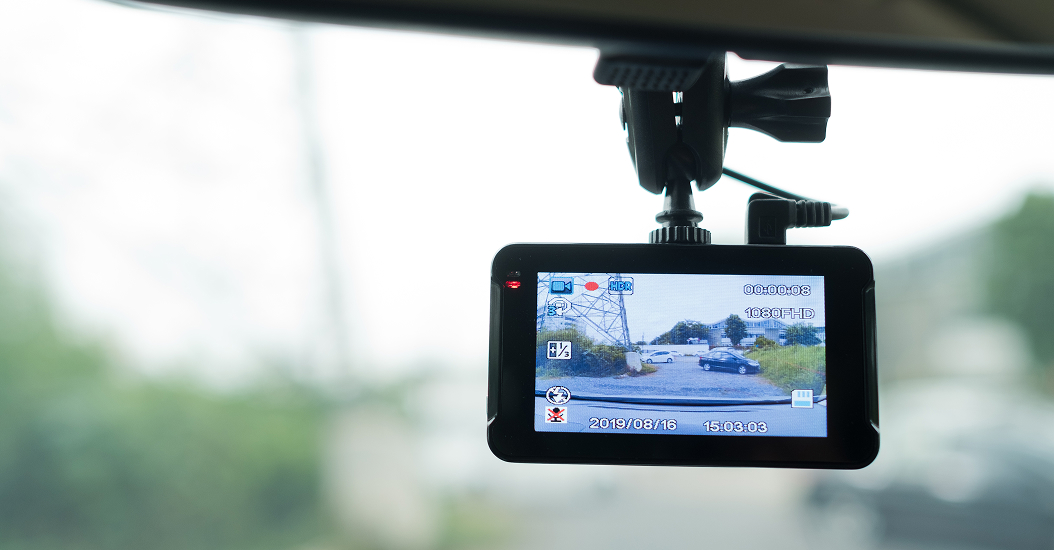
Important Dashcam Laws in Abu Dhabi and Useful Claim Features
 Motor Insurance
Have you ever found yourself gripping the steering wheel a little tighter as someone cuts you off on the road, wondering what would happen if things actually went wrong? Do you sometimes feel anxiety sitting in your chest every time you pull out of the parking lot, knowing that one reckless driver is all it takes to turn your day upside down? And here is the part that really gets people thinking: if you installed a dashcam to deal with all that worry, would it actually help you when filing an insurance claim, or could it somehow complicate things?
That feeling of anxiety when you are on the road is not uncommon. Abu Dhabi roads are fast, and populated with drivers from dozens of different driving cultures. A dashcam feels like the logical answer, but the questions around legality and how it ties into your motor insurance are ones that most people have not fully sorted out. If you are weighing the decision, or already have a camera mounted on your windshield and wondering how it helps the Motor Insurance Company in Abu Dhabi, follow along.
Are Dashcams Actually Legal in Abu Dhabi?
Dashcams are legal in the UAE, including Abu Dhabi. The Dubai Police confirmed this publicly, and there is no federal law that prohibits owning or using a dashcam in your vehicle. However, that does not mean there are no restrictions.
The restrictions that do exist are largely tied to how you use the footage, not the camera itself. UAE laws on privacy and data protection are fairly clear. Recording footage from inside your own vehicle as a security and safety measure is considered acceptable. What is not acceptable is using that footage to invade the privacy of others, sharing it publicly on social media without a proper reason, or using it in ways that could embarrass or harm another person.
Where Can You Install The Camera?
There are also placement rules worth knowing. Your dashcam should not obstruct your view of the road. A camera stuck right in the centre of the windshield at eye level creates a blind spot, and that is something traffic authorities can pull you up on. Mounting it behind the rear-view mirror or low on the windshield is the generally accepted approach.
How Does a Dashcam Help with Insurance Claims?
Here is where it gets genuinely useful. One of the biggest frustrations people face after an accident is the disagreement about what actually happened. Without evidence, it often becomes a situation of one person’s word against another’s. Dashcam footage changes that equation entirely.
When you file a motor insurance claim, your insurer needs to assess who was at fault, what the circumstances were, and whether your account of events matches what physically happened. Dashcam footage provides objective evidence. It shows the position of vehicles, the speed, the behaviour of the other driver, and the sequence of events leading up to the incident. For insurers, this kind of clear documentation speeds up the assessment process considerably.
Which Dashcam Features Actually Matter for Claims?
Not all dashcams are created equal. If you are buying one specifically to support your insurance claim in the event of an accident, certain features will make a real difference. Here is what to look for.
| Features | How it Helps |
| High Resolution Video | When your insurer or the traffic police need to read a number plate, identify lane markings, or assess vehicle damage, blurry footage is next to useless. |
| Wide-Angle Lens | Accidents rarely happen in a neat, straight-ahead situation. A wide-angle lens, ideally 140 degrees or more, captures more of the surrounding environment. |
| Night Vision and Low-Light Performance | A dashcam without solid night vision capability will produce footage that is dark, grainy, and difficult to use as evidence. Look for cameras with infrared sensors or good low-light aperture ratings. |
| GPS Logging | A GPS-enabled dashcam records your location, speed, and route alongside the video. It adds a layer of verifiable, timestamped information to your footage. |
| Loop Recording and Auto-Overwrite | Loop recording ensures the camera continuously overwrites old footage with new, so you are always covered. When an incident happens, most cameras allow you to lock the file so it does not get overwritten before you can save it. |
| Parking Mode | Hit-and-run incidents in parking lots are more common than people like to admit. A dashcam with parking mode activates recording when it detects movement or an impact while your car is stationary. |
Final Thoughts
Motorists across Abu Dhabi and the UAE looking for reliable vehicle coverage with clear procedures and straightforward claims often turn to The New India Assurance Company Limited. The organisation has built lasting trust through consistent service and steady performance over many decades. The UAE relies on them for comprehensive and third-party policies that bring real confidence on the road.
Note: Procedures and requirements may vary from one insurer to another. It is always advisable to contact the insurance provider directly to understand their specific policies, processes, and terms.
Connect & Share:


Latest Blog





3 September 2026
Car Insurance for Senior Drivers in the UAE – What Changes After 60?


7 August 2026