
October 16, 2026
Does Car Insurance in the UAE Cover Hit-and-Run Accidents, and What Evidence Do You Need to File a Claim?
 Motor Insurance
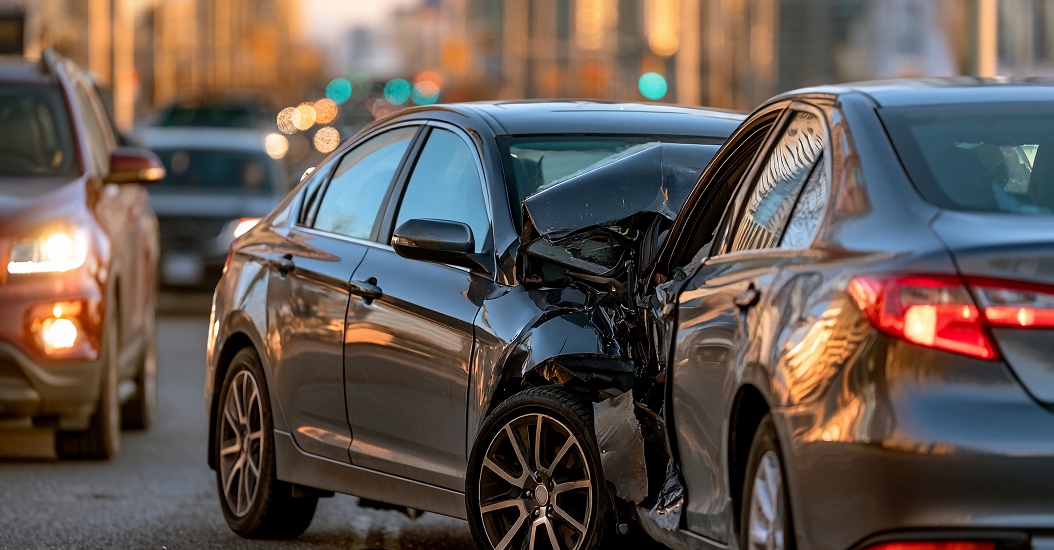
You walk back to your car in a Dubai mall car park, coffee in hand, and find a fresh dent across the rear bumper. No note. No witness. The adjacent bay is empty. Your first instinct is to call your insurer, but then comes the uncomfortable pause: you’re not actually sure whether your policy covers this. That pause is more common than most UAE drivers would like to admit, and it almost always traces back to one decision made months earlier: what type of motor insurance cover did you buy?
Hit-and-run incidents are among the most frustrating scenarios a driver can face, and they expose a critical gap in coverage knowledge across the UAE market. Too many drivers choose a policy based on price alone, discover its limits only when they need to file a claim, and end up paying for repairs out of pocket. Choosing the right motor insurance in UAE means understanding exactly what your policy does before an incident happens, not after.
Insurers with a long operating history and strong financial backing, such as The New India Assurance Company Limited, may offer drivers greater confidence in their insurance provider. However, choosing a reliable insurer is only part of the decision. Having the right coverage is equally important. This guide explains both.
Mandatory vs. Comprehensive: What UAE Car Insurance Actually Covers
Third-Party Liability: The Legal Floor
UAE law requires every registered vehicle to carry third-party liability (TPL) insurance. Without it, your vehicle registration will not be issued or renewed. TPL covers injury, death, and property damage you cause to others, but it does not pay a single dirham for damage to your own car. This is where many UAE drivers are underinsured without realizing it: they comply with the law, assume they are “covered,” and discover the gap only when something goes wrong.
What Comprehensive Insurance Adds to the Picture
A comprehensive motor policy extends well beyond the legal minimum. It typically covers accidental damage to your own vehicle, fire, theft, natural perils such as flooding or sandstorm damage, windscreen repair, and roadside assistance. Based on current UAE market rates, premiums generally run between
1.5% and 3% of the car’s current market value annually for experienced drivers with a clean record. By comparison, third-party liability (TPL) insurance provides basic coverage to meet the UAE’s legal requirements. That gap between TPL and comprehensive, in both cost and coverage, is precisely where hit-and-run situations become a serious financial problem.
Does Car Insurance in the UAE Cover Hit-and-Run Accidents?
How Comprehensive Policies Respond When the Driver Is Unidentified
Yes, a comprehensive motor insurance policy in the UAE can cover your vehicle repairs after a hit-and-run accident. The reason is straightforward: comprehensive insurance covers accidental damage to your own car regardless of whether the at-fault party is identified. The claim is processed as an own-damage claim
under the loss-and-damage portion of your policy. The identity of the fleeing driver is not the deciding factor for your claim. Your policy excess (deductible) will still apply, and you must follow the correct reporting steps, but the coverage is there.
What Happens If You Only Have Third-Party Cover?
If you carry only TPL insurance and a hit-and-run driver damages your car, your policy provides no protection for your repairs. TPL responds exclusively to claims made against you by other parties. It does not protect your own vehicle under any circumstances. A hit-and-run on a TPL-only policyholder leaves that driver fully out of pocket for whatever the repairs cost. This is not a grey area in UAE insurance: the coverage simply does not exist. The choice between TPL and comprehensive is the single most important motor insurance decision you make, and it needs to happen before you need it.
What Evidence Do You Need to File a Hit-and-Run Claim?
The Police Report: Why It’s Non-Negotiable
A police or traffic authority accident report is the foundation of any hit-and-run claim in the UAE. Without it, your insurer will not process the claim. As soon as you discover the damage, call the relevant emirate’s traffic police before moving your vehicle. The officer documents the scene and generates an official report identifying the incident as involving an unknown party or unknown vehicle. For parked-car damage where no collision was witnessed, a report filed directly at the nearest police station serves the same function. Keep the report reference number; you’ll need it at every step of the claim process.
Additional Documentation Your Insurer Will Ask For
Once the police report is secured, gather the following before contacting your insurer:
- Police or traffic authority accident report (mandatory, with reference number)
- Vehicle registration card (Mulkiya), front and back
- Valid UAE driving license, front and back
- Emirates ID, front and back
- Photographs of all damage taken from multiple angles at the scene
- A written timeline of the incident: date, time, location, and what you found
- Any dashcam footage, nearby CCTV details, or witness contact information
Some insurers will send a surveyor to assess the damage before authorizing repairs. Do not take the vehicle to a garage before the insurer confirms authorization. Submitting a complete file on your first submission is the single biggest factor in avoiding delays and getting your vehicle back on the road faster.
What Determines How Much You Pay for Car Insurance in the UAE
The Key Variables: Vehicle Value, Driver Profile, and History
UAE insurers calculate comprehensive premiums mainly as a percentage of the car’s current market value, so newer or more expensive vehicles cost more to insure. Driver age is the next major variable: drivers under 25 typically pay 20% to 60% more than experienced drivers, with some insurers quoting rates as high as 7% of vehicle value for very young or newly licensed drivers.
How long you have held a UAE driving license matters too, since local driving history carries more weight than foreign experience in most cases. A clean no-claims record can earn discounts of 10% to 20%, while recent at-fault claims can raise premiums or limit coverage options at renewal.
Add-Ons Worth Considering Before You Commit
The most useful add-ons for UAE drivers are agency repair (for repairs at a manufacturer-authorized workshop), GCC or Oman extension (if you travel abroad), and off-road cover for those driving in desert terrain. Comprehensive policies also tend to include roadside assistance and windshield cover. Check your policy schedule before buying to see if you already have these as add-ons. This simple step may save you from paying twice for the same coverage.
How to Choose the Best Car Insurance in the UAE for Your Situation
Why the Insurer’s Financial Strength Matters at Claim Time
Price comparison gets you to the shortlist. Financial strength tells you which insurers on that shortlist can actually deliver when you need them. An insurer’s ability to honor claims is directly tied to its financial reserves, and credit ratings from agencies like CRISIL and AM Best measure that. A CRISIL AAA/Stable rating signals very strong financial capacity at the parent level. An AM Best B++ (Good) Financial Strength Rating is a more direct indicator of the insurer’s ability to meet ongoing policyholder obligations. Together, they function as a practical financial-safety signal, not a guarantee, but a meaningful data point when choosing between providers.
What a Century of Global Experience Brings to UAE Policyholders
Not every insurer operating in the UAE carries the same institutional depth. The New India Assurance Company Limited, founded in 1919 and now operating across 28 countries, brings over a century of claims-handling experience and a multinational footprint to UAE policyholders. With a CRISIL AAA/Stable rating and an AM Best Financial Strength Rating of B++ (Good), backed by a net worth exceeding US$3.15 billion, the company offers a strong financial foundation. For expatriates in the UAE, particularly those from the Indian subcontinent, the brand’s regional familiarity and global financial standing provide a credible basis for confidence. If you are looking for motor cover from an insurer with long-term institutional stability, contact the New India Assurance team directly to discuss your options.
Final Thoughts(h2)
A hit-and-run incident does not have to become a financial setback. Whether your policy covers it depends entirely on one decision: comprehensive or TPL-only. The answer is clear. Get comprehensive cover if you don’t already have it, keep your evidence checklist ready, and choose an insurer with the financial strength to back its promises over the long term. Taking those three steps before an incident occurs makes every subsequent step significantly simpler.
The best motor insurance in the UAE isn’t the cheapest policy you can find; it is the one that actually protects you when the moment arrives. Contact The New India Assurance Company Limited for a quote from an insurer with over 100 years of financial stability and a global footprint that stands behind every policy it issues.
Frequently Asked Questions
No. Third-party liability insurance does not cover damage to your own vehicle under any circumstances. If a hit-and-run driver damages your car and you only carry TPL cover, you bear the full repair cost. Comprehensive insurance provides your own-vehicle protection in this scenario, and it is the only cover that does.
Timelines vary by insurer, damage complexity, and how complete your documentation is. Minor panel damage at an approved garage can be authorized within a few days. Complex claims involving total-loss assessments, third-party liability disputes, or missing documentation take longer. Submitting a complete file on the first attempt is the most reliable way to avoid back-and-forth delays, while repair time at the workshop depends separately on parts availability and the extent of the damage.
Some UAE insurers accept a foreign no-claims certificate as evidence of a clean record, though the eligibility criteria and the discount applied vary by provider. You will typically need official documentation from your previous insurer, translated if necessary, and the UAE insurer may still apply new-license pricing for the first year regardless of your overseas driving history.
It depends on your policy wording. If you carry no-claims bonus (NCB) protection as a paid add-on, one claim in the policy year may not reduce your accumulated discount. Without NCB protection, filing a claim after a hit-and-run can affect your bonus at renewal, even though you were not at fault. Review your policy conditions before assuming your discount is protected.
Note: Procedures and requirements may vary from one insurer to another. It is always advisable to contact the insurance provider directly to understand their specific policies, processes, and terms.
Connect & Share:


Latest Blog





3 September 2026
Car Insurance for Senior Drivers in the UAE – What Changes After 60?


7 August 2026